
Refueling LPG (Autogas): Simple, Convenient and Accessible
For drivers who are new to LPG, one of the first questions is often: How does refueling LPG work? In practice, refueling an LPG vehicle is a simple and straightforward process, very similar to filling up with petrol or diesel.
A simple refueling process
LPG, or Liquefied Petroleum Gas, is stored in the vehicle’s tank in liquid form under pressure. When refueling, a special nozzle is connected to the vehicle’s LPG filling connection. Once the connection is secured, LPG flows into the tank.
Modern LPG systems are designed with safety and convenience in mind. The filling system includes safety features that help ensure that the tank is filled correctly. An LPG tank is normally filled to a maximum of around 80% of its capacity. The remaining space allows the fuel to expand safely when temperatures change. For the driver, the process is straightforward: connect the nozzle, start refueling, and disconnect the nozzle when the tank is full.
Refueling LPG at filling stations is becoming increasingly familiar
Although LPG refueling may initially look different from filling up with petrol or diesel, most drivers quickly become familiar with the process. Depending on the country, different types of filling nozzles and connections may be used, and an adapter can sometimes be required.
The availability of LPG filling stations also differs from one market to another. A well-developed refueling network makes LPG an attractive and practical option for drivers who want an alternative fuel for everyday mobility. Various apps are available online to find filling stations like: myLPG.eu
An alternative for everyday driving
One of the key advantages of LPG is that it can offer drivers an economical alternative to conventional fuels. LPG vehicles can also run on petrol, giving drivers additional flexibility when travelling in areas where LPG is less readily available. For drivers, this combination of flexibility, accessibility and the familiar refueling experience makes LPG a practical solution for everyday mobility.
Whether it is a daily commute, a long-distance journey or a road trip across borders, refueling should be simple. With a properly installed LPG system and access to a suitable refueling network, LPG can provide drivers with a convenient and practical fuel option.
What do you need to fill up the tank?
European countries use different LPG refueling standards. To refuel your vehicle, you need the appropriate filling adapter. This adapter is attached to the external filler and is compatible with the filling nozzle used in the country where you are refueling.
See below for an overview of the different adapters used across Europe:
| BAYONET adapter | ACME adapter | Dish adapter | EURO nozzle / adapter |
|---|---|---|---|
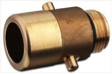 | 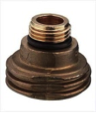 |  | 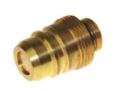 |
|
|
|
|